
Speakers

Corné Baatenburg de Jong
ReumaNederland, NL
Abstract

Vidas Balčius
Pontifical Urban University, IT
Abstract

Alexey Botvinov
Pianist, UA

Maria Chiara Carrozza
University of Milano-Bicocca, IT
Abstract

Monica Consolandi
Fondazione Bruno Kessler, IT
Abstract

David Cronenberg
Director, screenwriter and producer, CA

Amir Dziri
University of Fribourg, CH
Abstract

Ana Maria Ganev
Pontifical Athenaeum Regina Apostolorum, IT
Abstract

Andrea Genazzani
University of Pisa, IT
Abstract

Guido Giordano
Roma Tre University, IT
Abstract

Catarina Monteiro Gomes
ETH Zurich, CH
Abstract

Bert Gordijn
Dublin City University, IE
Abstract

Daniel J. Hurst
Rowan-Virtua School of Osteopathic Medicine, USA
Abstract
John P. A. Ioannidis
Stanford University, USA
Abstract

Hope Kean
Massachusetts Institute of Technology, USA
Abstract
Stefano Knuchel
Director, screenwriter and producer, CH
Abstract

Céline Lafontaine
University of Montreal, CA
Abstract

Ilaria Malaguti
University of Padua, IT
Abstract

Ivan Martin
University of Basel & University Hospital of Basel, CH
Abstract

Marcello Massimini
University of Milan, IT
Abstract

Gaia Novarino
Institute of Science and Technology Austria, AT
Abstract
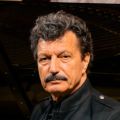
Burhan Öçal
Percussionist and actor, TR

Maria Patrão Neves
University of the Azores, PT
Abstract
Telmo Pievani
University of Padua, IT
Abstract
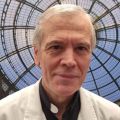
Tullio Proserpio
Fondazione IRCCS Istituto Nazionale dei Tumori, IT
Abstract

Diego Puricelli
ISSR "Giovanni Paolo I" & ISSR "Toniolo", IT
Abstract

Luigi Ripamonti
Corriere della Sera, IT
Abstract

Paolo Traverso
Fondazione Bruno Kessler, IT
Abstract
Science and human being: the perspective(s) of a societal / patient organisation
Corné Baatenburg de Jong, ReumaNederland, NL
For 100 years, ReumaNederland has been allowed to (co)finance research into and for people with rheumatic conditions and osteoarthritis. Always focused on concrete solutions, from very basic research to studies supporting new innovations.
An important question that we as an organization increasingly ask ourselves is the medical-ethical question: Can and should we advance an innovation further?
At its core, our answer to this has always been a resounding yes.
After all, we are a patient organization that wants the best for its members, the patients. At the same time, we are increasingly realizing that maybe everything is possible or becoming possible...
This certainly applies to rheumatic conditions; 50 years ago we could do very little for these people—they were bedridden and often in wheelchairs—but now, with their medication, they are so well supported that we no longer see this type of patient in everyday life.
Many innovations currently being developed are therefore aimed at making things better or more beautiful and more and more, the question arises... Can and do we want to finance this?
Can, because as a social organization we also have to think about the affordability of healthcare. Want, because as that same social organization we have to ask ourselves how far we should go and when it might actually be a luxury. In this way, science is necessary for us as humans, but at the same time, there might be a limit...?!
The Human Person and the Status of Consciousness in Christian Ethics
Vidas Balčius, Pontifical Urban University, IT
Contemporary Christian theology, in dialogue with all people of goodwill and with an interdisciplinary approach, continues its commitment to seeking the answer to the question Quid est homo? Morally relevant anthropological truths are disclosed, on the one hand, starting from the truths of faith, and on the other, with special attention to the shared level of the common human. In proposing an authentic understanding of humanity, the Christian reflection starts with the fact that being made in the image and likeness of a personal God, man is personal by nature. At the bioethical level, this assumption translates into a truth according to which every human being must be respected as a person from the moment of conception. In this context, the question of the relationship between states of consciousness and the personal status of human beings refers to the two major trends in recent bioethics. The first assumes that the concept of person has its ontological consistency and is linked to human nature as personal. The Catholic moral approach falls within this school of thought (i.e., ontological-relational personalism), which encompasses the convergence of human being and personal being, affirming the equal personal dignity of all humans to be respected unconditionally. The other trend seeks to establish the actual outcome of this relationship, starting from the characteristics or functions considered to be differential and verifiable currently, including the diversification of degrees of consciousness. This empirical approach undermines the unity of the human species, resulting in disparities in the value of human life and the attribution of personal status, leading to unequal rights. Uncertainty in the relationship between the concepts of the human being, states of consciousness, and the person brings the question of the correlation between what human and personal is to the fore, particularly in terms of personal status. The difference in the underlying assumptions, thus, becomes a primary cause of the disagreements about human life that arise in today’s bioethical reflection.
From Design to Responsibility: The Triple R Approach to Robotics and AI in Life Sciences
Maria Chiara Carrozza, University of Milano-Bicocca, IT
The development of devices, robots, and AI-based control systems for life sciences and clinical applications poses significant conceptual, technical, and ethical challenges. Beyond compliance with established procedures and regulatory frameworks, there is an increasing need for shared guidelines that address responsibility, ethical accountability, and the societal impact of innovation. This contribution argues for the creation of structured frameworks that support open discussion and collective reflection on design principles for technologies at the intersection of science and engineering. In contemporary research, science and technology are deeply intertwined, dissolving traditional boundaries and amplifying issues related to dual use and unintended consequences. Engineers and researchers are therefore called to engage actively in transparent dialogue on emerging challenges and possible applications of their work. I propose a conceptual scheme based on the triple R: Research integrity, Research ethics, and Research security, that can act as a foundation for responsible innovation, capable of supporting both scientific progress and public trust in life science technologies.
Clinical communication, AI chatbots, and moral language: when digital tools mediate who meets whom
Monica Consolandi, Fondazione Bruno Kessler, IT
Effective communication between experts and non-experts is a cornerstone of ethical scientific practice, particularly in medicine and the life sciences. Language serves as both a bridge and a barrier: it is the space where dialogue can flourish, but also where misunderstanding inevitably arises. Drawing on the philosophy of language, including Wittgenstein’s notion of “language games” and Malherbe’s concept of creating a “third language game,” this talk explores how divergent linguistic frameworks intersect, especially when technical scientific terms meet everyday understanding.
Focusing on clinical contexts, I examine how communication between healthcare professionals and patients is essential to care, and how similar challenges appear when scientific information is conveyed to the broader public—highlighted by research conducted during the COVID-19 pandemic. While transparency and clarity cannot eliminate all misunderstandings, deliberate attention to language can place human beings at the center of scientific practice, reinforcing trust, empathy, and ethical responsibility.
Extending these reflections to emerging technologies, I argue that ethically literate language models can scaffold—but not replace—care relationships. Just as thoughtful dialogue sustains trust between clinicians and patients, so too should human–AI communication be grounded in empathy, contextual understanding, and moral awareness. By analyzing miscommunications in medicine and extending these insights to broader scientific and technological discourse, this talk emphasizes the importance of dialogical approaches to ensure that the direction of science remains aligned with human values.
Muslim spiritual care as an opportunity for a new Islamic ethic
Amir Dziri, University of Fribourg, CH
For many Muslim theologians, ethics form the core essence and purpose of Islamic revelation. A God who turns to human beings also demands that they turn to one another. At the same time, however, contemporary Islamic ethics is accused of representing a theocentric worldview insofar as it constantly refers to an almighty God. It is also criticised for getting lost in legal sophistry, and for being unable to address ethical issues in the broader context of human existence.
Against this backdrop, the professionalisation of Muslim spiritual care in recent decades, in both predominantly Muslim countries and pluralistic societies such as those in Europe and North America, has created new opportunities. The provision of Muslim spiritual care in hospitals is based on the principle of helping those in need, and thus aligns with the universal values of human solidarity and care. Nevertheless, its roots in Muslim intellectual and cultural history ensure that it remains sufficiently Islamic to respond to the needs of Muslim patients. Institutionally, Muslim spiritual care is integrated into a multi-professional working environment, with Muslim chaplains working alongside other professionals. This also makes it a testing ground for the relationship between the secular state, public institutions, and private religious services. Ultimately, Muslim spiritual care has the potential to take Islamic ethics in a new direction. Rather than focusing on the representation of an abstract religious norm, the focus of spiritual care is on the needs of patients. Interaction techniques are also changing to actively respond to the state of mind of those in need. Nevertheless, the idea of human care as an expression of God’s care for humanity remains central to Islamic ethics, thus fulfilling the purpose of Islamic revelation.
Cultivating Wisdom: Bioethics Between Scientific Rigor and Spiritual Depth
Ana Maria Ganev, Pontifical Athenaeum Regina Apostolorum, IT
In the age of engineered life and translational medicine, bioethics often finds itself pulled between two worlds: the technical rigor of the science and the spiritual wisdom of religious traditions. This presentation asks whether bioethics can genuinely mediate this tension, forming wisdom rather than slogans, and whether doing so within a pontifical university adds to, or subtracts from that mission.
Drawing on my experience as a young researcher in bioethics at a Pontifical Athenaeum, with prior training in pharmacy, I explore how scientific literacy and spiritual wisdom can be held in creative tension. The scientific side helps students to understand what the human body is undergoing in contemporary medicine; the spiritual and theological side helps them to see who is at stake in each case: a person with a history, relationships, and a transcendent dignity.
The core thesis: authentic bioethics education must form judgment and cultivate wisdom rather than transmit doctrine or ideology. When ecclesial institutions teach bioethics, they face a distinctive challenge: how to honor both the revelatory power of scientific discovery (quid est homo? or what biological investigation actually shows us) and the theological conviction that human dignity transcends biological description (quis est homo? or the person as irreducible mystery). Ideological approaches fail by predetermining outcomes; purely secular approaches ignore the resources spiritual traditions offer for sustaining dignity amid technological disruption. Indeed, secular institutions must acknowledge spiritual dimensions without dismissing them as preference; religious institutions must engage science rigorously without subordinating it to predetermined theology.
Bioethics is uniquely placed to hold this equilibrium because it was born as an interdisciplinary field and can authentically help cultivate wisdom at the crossroads of empirical knowledge and spiritual insight. This makes bioethics uniquely positioned to cultivate wisdom because wisdom is precisely this: the capacity to hold multiple forms of knowing, recognize their distinct contributions and limits, and exercise sound judgment in particular situations. Wisdom is not mastery of facts (knowledge) or logical consistency (reasoning) but practical discernment integrating multiple goods, competing values, and irreducible complexity.
Spirituality in Halacha
Andrea Genazzani, University of Pisa, IT
Halacha, Jewish law, is often perceived as a detailed system of rules governing daily life. Yet beneath its legal structure lies a profound spiritual vision. Halacha is not merely about external compliance; it is a framework designed to sanctify human existence and cultivate an ongoing relationship between the individual and God.
At its core, Halacha transforms ordinary actions—eating, working, speaking, and resting—into opportunities for spiritual elevation. Through blessings, ethical obligations, and ritual precision, daily life becomes infused with awareness of the Divine. This integration prevents spirituality from being confined to moments of prayer or study; instead, it permeates every aspect of life.
Spirituality in Halacha is also expressed through kavanah, intentionality. While actions are central, their spiritual depth is enhanced when performed with mindfulness and inner devotion. Halacha values the harmony between deed and intention, recognizing that structured practice can shape the heart and refine character.
Furthermore, Halacha fosters spiritual discipline and moral growth. By setting boundaries and obligations, it guides individuals beyond personal impulse toward responsibility, compassion, and self-transcendence. In this way, Halacha nurtures a spirituality rooted not in abstraction, but in lived commitment and ethical action.
Ultimately, Halacha presents a vision of spirituality that is embodied, consistent, and enduring. It teaches that holiness is not found by escaping the world, but by engaging it thoughtfully, transforming everyday life into a sacred encounter.
Buddhism and Bioethics
Guido Giordano, Roma Tre University, IT
There are two key questions at the core of this third ICEEL conference: Quid est homo? Quis est homo? This presentation will explore the Buddhist ethical and philosophical perspective for engaging with modern bioethics, drawing on the writings of Shakyamuni (IV century b.C.), Nichiren Daishonin (1222-1282) and Daisaku Ikeda (1928-2023).
According to Buddhism human life is part of the universal life and pulses as an uninterrupted continuum whose apparent phases—birth and death—are functions of a deeper, timeless essence. This flow operates according to the Marvelous (Mystic) Law of Cause and Effect also known as Myo Ho Renge Kyo. Human existence is described as a ceaseless manifestation that arises from latency, unfolds through a physical body, and returns to latency at death, continuing across lifetimes. This dynamic is explained by the doctrine of the Three Truths: ke (the transient, physical dimension), ku (the intangible, inner feeling and spiritual dimension), and chu (the middle way, the connective fabric that is both the essential source and the true entity of life). While ke and ku are subject to continuous change, chu is eternal and immutable. From this follows the non-duality of body and mind (jp. shikishin-funi) and the non-duality of person and environment (jp. esho-funi): the physical and spiritual aspects are inseparable, and individuals are intimately interwoven with their surroundings. All beings and phenomena are interdependent (jp. engi) within universal life governed by cause and effect.
The fundamental aim of Buddhism is practical: to teach how to understand and master the the Marvelous Law of Cause and Effect and provide a path for understanding and transforming suffering, thereby attaining Buddhahood. About health, Buddhism offers a broadened perspective. Illness and wellness are not opposites but intertwined, illuminating the bonds that connect individuals to the suffering of others and inspiring compassionate action. This approach integrates psychosomatic dimensions while extending to the existential meaning of life.
In modern bioethics, the Buddhist perspective may provide useful insights as it emphasizes the role of multidisciplinary, multicultural, and multireligious open dialogue around the supreme dignity of life, on the meaning of cure and on the responsibility of motivations behind intervention on human life.
Communicating Neuro-Bioengineering’s Living Interfaces: A Commitment to Integrity and Trustworthiness
Catarina Monteiro Gomes, ETH Zurich, CH
As advanced neuro-bioengineering reshapes our ability to model, understand, and potentially treat diseases of the human brain, we are increasingly confronted with the question quid est homo? (what is the human?) in the context of therapeutic decision-making and public understanding. As a researcher, I focus on developing physiologically faithful in vitro Central Nervous System (CNS) models to improve the preclinical evaluation of gene therapies for CNS diseases. Positioned at the intersection of biology, engineering, and therapeutic aspiration, these models provide unprecedented access to human-relevant neurophysiology while simultaneously exposing the boundaries of what experimental systems can represent.
This contribution advances the hypothesis that trustworthy communication is as essential to responsible neuro-bioengineering as the models themselves: scientific tools that approximate human biology must be paired with communication practices that make their strengths, and inherent limitations, intelligible to diverse audiences.
High-fidelity CNS models hold transformative promise, yet they also risk being misinterpreted as miniature or substitute brains. Communicating their capabilities, constraints, and uncertainties therefore becomes an ethical imperative: a means of cultivating public trust grounded in clarity rather than oversimplification. I will propose practical strategies for “showcasing the science” while explicitly discussing what remains unknown, uncertain, or in need of improvement, and for framing engineered life models as tools that inform, but never define or replace, human meaning, identity, and dignity.
Ethics and responsibility in research and innovation
Bert Gordijn, Dublin City University, IE
Ethics has historically focused on the evaluation of individuals and not on ethical issues around technology. As human technology has long demonstrated slow rates of innovation, it did not inspire any thorough and critical ethical analyses. Only during the Industrial Revolution, when technological innovation significantly accelerated, do we see intellectuals such as Karl Marx, John Ruskin, and William Morris voice serious concerns about industrial capitalism and the associated mechanisation, alienation of labour, and its moral degradation.
However, analyses of concrete issues from an applied ethics perspective only got started after WWII when specialised fields such as bioethics, information and computer ethics, engineering ethics and environmental ethics emerged, all – each in their own way and to varying degrees – addressing ethical issues around technology. The lens of analysis also moved beyond isolated individuals to a systemic and institutional perspective. In the 1990s, academic discussions on methods for practising ethics in R&I began. This contribution will review the main approaches that have developed since and address the issue of responsibility for R&I.
Engineering the Human Body: Preimplantation Genetic Testing and the Ethics of Embryonic Selection
Daniel J. Hurst, Rowan-Virtua School of Osteopathic Medicine, USA
Preimplantation Genetic Testing (PGT) represents a pivotal moment in the “engineering" of the human body, shifting the paradigm of reproductive medicine from therapeutic uses to selecting complex traits. While originally developed to prevent the transmission of severe, monogenic disorders (e.g., cystic fibrosis, Huntington’s disease), PGT is expanding via the use of polygenic risk scores to potentially enable parents to select embryos for mental traits like intelligence, physical traits like eye color and height, and perhaps even personality traits. This presentation analyzes the profound moral implications of distinguishing "worthy" from "unworthy" life at the embryonic stage. It argues that the slide from "medical necessity" to "consumer choice" is not an anomaly, but a logical consequence of instrumentalizing the human embryo. Furthermore, the discussion addresses the broader societal consequences of this technology: the risk of sliding into a new eugenics, the commodification of parental expectations, and the potential erosion of solidarity with the disability community. By examining the porous boundaries between medical necessity and genetic enhancement, this presentation argues that the technical ability to curate the genetic characteristics of future generations must be tempered by a renewed commitment to the intrinsic dignity of every human life, regardless of genetic constitution.
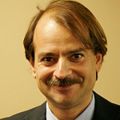
Evidence, bias, reproducibility: calibrating claims in biomedicine for public trust
John P. A. Ioannidis, Stanford University, USA
Science is going through intense soul-searching regarding its reproducibility and credibility. At the same time, uncertainty and lack of reproducibility are unfortunately sometimes weaponized to diminish its value and erode public trust in science. The most viable path would be for scientific research to strengthen its reproducibility standards, and focus on a culture that cherishes accuracy, openness, correction of errors, diminishing biases and healthy skepticism. I will discuss some key initiatives in that space and present some empirical evidence on how indicators of transparency and reproducibility have evolved in the last 25 years. For new frontiers such as engineering life and sharing life features with technology tools, such as artificial intelligence, the requirements for reproducibility may be even higher and the same applies to openness and transparency. A worrisome trend is that more research done with the help of new technology violates standards of reproducibility and may be even less shareable if done almost exclusively by corporate stakeholders.
The Human Person and The Neural Architecture of Reasoning
Hope Kean, Massachusetts Institute of Technology, USA
What is the human being, and what kinds of mental capacities constitute our distinctive modes of knowing and acting? Contemporary neuroscience is generating increasingly precise data on human cognition, yet often within frameworks that fragment the person into merely a small set of functions or reduce thought to language, computation, or diffuse neural activation. In this talk, I argue that new evidence from cognitive neuroscience, especially studies of formal reasoning, when placed within a broader cognitive theory informed by philosophical anthropology and metaphysics, presses us toward a richer and more unified account of the human person. I present data from three research programs employing precision neuroimaging, clinical lesion studies, and investigations of atypical brains: (1) dissociations between language and abstract logical reasoning, including individuals with profound aphasia who nonetheless perform high-level deductive and inductive logic; (2) the discovery of a specialized fronto-parietal “Logic Network” recruited across deductive, inductive, mathematical, and rule-based reasoning tasks; and (3) evidence from individuals with extreme cortical deformities showing preserved, structured cognition despite radically altered neural topography. Together, these findings challenge many common reductionist assumptions, e.g., that thought is just internal speech, that intelligence is reducible to the type of domain-general problem-solving we share with non-human primates, or that the brain is a collection of static computational units.
I suggest that the results of modern neuroscience align most naturally with a hylomorphic picture of the human person: one living substance/organism with distinct but integrated cognitive powers, realized in an embodied form that is highly-structured but not mechanistic. While the data do not resolve every metaphysical option, they raise specific difficulties for both reductionistic physicalism and substance dualism. Physicalist models struggle to account for three empirical features that recur across the neural evidence: (1) the persistence of rational capacities under radically different neural implementations, (2) the unity and stability of higher-order cognitive networks across individuals, and (3) downward-structuring relations, in which whole-person capacities constrain and organize neural activity, as seen in preserved cognition despite extreme cortical deformation. These phenomena are difficult to capture using models in which cognition is fully determined by only local neural states, emergent by-products, or distributed computations. Dualist accounts face a different challenge: they struggle to explain (1) the systematic, fine-grained correlation between neural architecture and cognitive operations, as well as (2) the necessity of specific embodied structures for the exercise of rational powers. The data do not imply the existence of an immaterial mind acting independently of the body, but an integrated psycho-physical organism whose rational capacities are realized in and through its embodied form. Such a framework allows us to understand consciousness and rationality not as epiphenomena of neural activity but as the organized operations of a unified living being. In this sense, neuroscience does not replace theological or philosophical anthropology and epistemology, but requires them, insofar as understanding the human person demands a metaphysics adequate to the structure and intelligibility revealed by the data of modern neuroscience.
Body and Cinema
Stefano Knuchel, Director, screenwriter and producer, CH
Since its origins, cinema has placed the human body at its center — not as a theme, but as a measure of the world. The first motion sequences, from Muybridge onward, show that cinema becomes real when it can capture a gesture. For more than a century, the body — with its limits, its rhythm, its presence — has shaped the cinematic gaze: it has defined the frame, the duration of a shot, and the viewer’s identification. It has been the point of reference that made “seeing” possible.
During the twentieth century, our way of looking at the body changes. The evolution of optical technologies — from the microscope onward — goes beyond the surface of the skin and opens new ways of observing what was previously hidden. At the same time, images documenting historical events and major conflicts enter our collective memory, along with the traces they leave on bodies. Cinema records this transformation: it films the body in its presence, its labor, its fragility, and its exposure to history.
Today, we are witnessing another shift. In the digital environment, the body is no longer only filmed: it is captured and translated into movements, measurements, data. Gestures can be duplicated by avatars or reconstructed through artificial intelligence; the body tends to become a modular structure, dismantled and reassembled in narratives independent of its experience. This raises a central question: how do we preserve the value of the body as presence, and not merely as a set of reusable data?
From the bio-objectification of human ovocytes to the promises of cryopreservation: conceiving human life in the bioeconomic age
Céline Lafontaine, University of Montreal, CA
Having become true bio-objects that can be retrieved from women’s bodies, frozen, stored, selected, exchanged or modified, human oocytes now occupy a central place in the globalized in vitro fertilization industry. Embedded at the heart of the bioeconomy, where the body becomes a resource, oocyte banking and cryopreservation carry the promise of transcending the biological boundaries of the human species, particularly those linked to the natural decline of fertility. The body is now a biological capital, available, manageable, and transferable.
As the selection and exchange of oocytes or embryos have become standardized practices on an international scale, extraction and preservation techniques profoundly reshape our understanding of reproduction and generational transmission. The rise of elective oocyte freezing stands as the most striking example of this shift: it reveals a new relationship to biological time, one in which fertility can be suspended or deferred to meet a demanding social model oriented towards performance and control over the female body.
In light of the growing number of oocytes stored in clinics and biobanks around the world, it has become crucial to question their status, their uses, and the ethical, economic, and scientific implications they involve. These bio-objects, detached from the bodies that produced them, acquire a new value that redefines how we imagine procreation and contributes to what may now be described as in vitro civilization.
Regenerative medicine, Patients and Society: Quis est homo?
Ivan Martin, University of Basel & University Hospital of Basel, CH
Progress in understanding mechanisms of tissue regeneration and identifying techniques to enhance these processes are opening new opportunities for a variety of clinical indications. These are however associated with challenges and risks, at individual and society levels, which should be addressed starting from fundamental reflections around the identity and dignity of a person – quis est homo?
This presentation will first describe some scientific and technical advances in tissue engineering and regenerative medicine, with a specific focus on indications of the musculoskeletal system (e.g., cartilage and bone regeneration). The associated translational trajectories, from the pre-clinical to the first-in-man trials down to the envisioned broader clinical adoption, will then be illustrated in their inherent complexities and associated risks. Ethical considerations related to patients expectations and critical awareness will be presented, with some examples of misleading information and morally inconsistent practice. Finally, the broader consequences to society will be discussed, in light of the need to improve quality of life and at the same time to guarantee sustainability of the healthcare systems.
The presentation will thus set the stage for an informed discussion on how ethical considerations grounded on who the human is could and should drive development and implementation of scientific and clinical progress in regenerative medicine.
Between body and flesh: the singularitas of the human being
Ilaria Malaguti, University of Padua, IT
The human being stands forth as the very “question of meaning”. We cannot speak of meaning without entering into a rigorous and incessant investigation of the intelligibility of the body itself. The body follows the rhythms of transformation proper to all living beings: it comes into being, it changes, and it dies. Within the pervasive naturalism of our culture, we tend to seek a remedy for the uncertainty and precariousness of existence in the great achievements of téchne and in the advances of medical science.
Phenomenology engages these questions with an originality that is at once essential and inescapable. The well-known Husserlian distinction between Körper and Leib, together with the French philosophical tradition of the corps propre, inaugurated by Maine de Biran, allows us to rethink the intelligibility of the body in light of its indissoluble bond with the flesh. Between body and flesh there is no opposition, no polarity; nor should flesh be conceived as a determination or property superadded to the body. Body and flesh are co-originally entwined within a structure of implication constitutive of corporeal unity—by which we may affirm that we do not merely have a body, but rather that we are our body.
In light of this bond (vinculum), which is the mode of unified being proper to the human, I intend to present and examine the theme of incarnation as the originary event that grounds and safeguards the singularitas of every human being.
Inferring Consciousness: Being beyond Doing
Marcello Massimini, University of Milan, IT
Consciousness is who we are—Quis est homo? It is the intrinsic sense of being that persists even when we are motionless in darkness and silence. I know I am conscious as I write these lines, and I know my consciousness will fade tonight in dreamless sleep or under general anesthesia. We may question the external world, but our own consciousness is immediate and certain; it needs no proof.
The challenge arises when we must judge consciousness in others. Another’s consciousness is private; we have no direct access. Any assessment requires an inference from the physical world—Quid est homo?—and we typically infer being from doing, equating consciousness with intelligent behavior. This assumption underpins both clinical coma scales and the Turing test for digital systems.
I will argue that this approach can fail when consciousness and intelligent behavior dissociate. I will consider two such cases: behaviorally unresponsive patients (being without doing) and artificial systems (doing without being). I will describe how an iterative validation process can yield measures that do not depend on observable behavior, thereby reducing error when inferring consciousness in patients. Finally, I will outline how the same principles can guide our judgments about artificial systems.
From Genes to Selves: Decoding Autism while Respecting Individuality
Gaia Novarino, Institute of Science and Technology Austria, AT
Autism spectrum disorders (ASD) arise from alterations in the genetic programs that guide the developing brain, yet they also concern how we define and value human diversity. In my lab, we investigate how mutations in ASD-associated genes shape the trajectory from a few embryonic cells to complex neural circuits supporting perception, communication, and social interaction. Using mouse models and human brain organoids derived from stem cells, combined with molecular, cellular and behavioral assays, we map when and where different ASD-linked genes converge on common developmental processes, such as neural progenitor proliferation and synapse formation. These data indicate that ASD is not a static “state”, but a dynamic sequence of shifts in cellular and molecular events over time.
This scientific picture raises ethical questions we cannot ignore: if we learn to predict or modify aspects of autistic development, what should our goals be? Which features count as suffering to be alleviated, and which as differences to be understood and supported, especially for individuals with high support needs? In particular, how do we draw boundaries of “normality” around language and sociability, traits that are central to human life, yet expressed in many legitimate ways, without letting our terminology obscure disability or delegitimize research and tailored interventions?
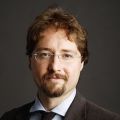
The Challenge of De-Extinction: A Bioethical Critique
Telmo Pievani, University of Padua, IT
After the failures with the cloning technique, engineering life to “revive” extinct species is now a viable line of research, thanks to the accelerated development of gene editing interventions. In 2025, confusing reports emerged regarding the alleged de-extinction of the Pleistocene wolf (Aenocyon dirus) and the laboratory creation of mice with mammoth fur. This research is being conducted by a private, for-profit company and raises serious bioethical concerns.
In the keynote, de-extinction will be used as a pilot case to analyze some controversial perspectives on the engineering of life, at the forefront of current research. The motivations behind this line of research (testing new biodiversity conservation techniques; habitat restoration to address anthropogenic global warming) are questionable, especially in the case of the Siberian mammoth. There are no guarantees regarding the animal welfare (captive conditions; exposure to pathogens; epigenetic and unintended effects of the de-extinction technique) of the alleged revived species. The ecological consequences of reintroducing these animals into the wild are unclear. The marketing strategies employed by the companies involved are highly ethically controversial. After all, it is not true that recently extinct species can be resurrected, since the technique involves creating hybrid animals between the extinct species and the host species of the pregnancy. Furthermore, the allocation of the significant resources required for this research does not appear to be an ethical priority.
Finally, a case will be shortly discussed in which a different technique (reactivation of silenced ancestral genes in birds to recreate dinosaur-like traits) led to the serendipitous discovery of a gene linked to a human disease. Recently, a Neanderthal gene variant (TKTL1) was activated in a human brain organoid through gene editing to compare the phenotypic effects in the two species, Homo sapiens and Homo neanderthalensis. The different targets of this gene reactivation research call for the development of transnational bioethical guidelines.
Spiritual Care Close to Patients: Listening as Presence, to Give Hope
Tullio Proserpio, Fondazione IRCCS Istituto Nazionale dei Tumori, IT
In the era of biotechnology and artificial intelligence, the question of human identity becomes crucial once again. Scientific progress, capable of intervening in DNA and enhancing vital functions, opens extraordinary therapeutic scenarios but raises ethical questions: Where is the boundary between care and enhancement? Who defines the criteria for normality and optimization? The risk is reducing the person to a technical object, losing dignity and relationality. International guidelines emphasize justice, autonomy, and beneficence, but these alone are not enough to ensure an integral vision of the human being.
The human being is more than biology: they carry within themselves spirituality, freedom, and the capacity for meaning. The WHO recognizes spirituality as the “fourth dimension of health,” highlighting the need to integrate it into healthcare systems, especially in chronic illness and palliative care. In this context, hope emerges as a relational good: not mere optimism, but a vital force born from authentic bonds that can transform fear into a perspective of life.
An ethics of life engineering should rest on three pillars: scientific rigor, respect for human dignity, and anthropological and spiritual awareness. This is not about denying progress but humanizing it, orienting it toward justice and solidarity. True innovation is not about surpassing limits but inhabiting them responsibly, recognizing vulnerability as the foundation of relationship and hope. Only an integrated approach can guide science toward a culture of life, where technology and compassion cooperate for the good of humanity.
Dwelling on the Threshold: Rethinking Limit in Human Body Engineering
Diego Puricelli, ISSR "Giovanni Paolo I" & ISSR "Toniolo", IT
In recent decades, modern biotechnologies have overcome forms of intervention on living systems once thought impossible to exceed, calling into question the traditional conception of a stable and largely unmodifiable human nature. The issue of limits—especially regarding interventions on the human body—has therefore returned to the center of contemporary debate. Are such limits obstacles to be removed because they frustrate the human “will to power” or are they lines of integrity that ought to be respected, beyond which anthropological coherence—understood as bodily, personal and relational integrity—risks being compromised in irreversible ways?
To avoid the trap of a purely dichotomous opposition, it may be helpful to conceive the limit as a threshold. In the Gospel metaphor of the sheepfold, the threshold marks an inside and an outside: within the fold lie rest and security, but no nourishment; outside, one finds life and sustenance, though accompanied by greater exposure and risk. The threshold thus reminds us that crossing is not only possible but at times necessary—provided it occurs with discernment. Not every moment is suitable for advancing, nor is every retreat a sign of prudence: confusing the timing or disregarding the conditions of passage may lead to serious consequences.
Understanding the limit in this way means recognizing that what ultimately matters is neither sealing off the human nor surrendering it to technocratic arbitrariness, but inhabiting the “in-between space”, where every decision demands discernment. It is there that the fundamental question continually arises: what does it mean to be human?
Maria Patrão Neves, University of the Azores, PT
The question concerning human identity is ancient, but it has become qualitatively distinct with the emergence of biotechnologies and their unprecedented power to transform the physical and psychic reality of the human being, both as an individual and as a species.
Rejecting any demonization of technological innovation as a product of human creativity, and affirming the ethical duty to employ it in its potentially benevolent applications, we are nonetheless inexorably led to a sequence of vital questions. Should the use of biotechnologies be regulated, or left to the free will of each individual? In the latter case, would it not become permeable to any intervention, no matter how deleterious to personal dignity, social justice, and the integrity of humanity? If we opt for regulation, what criteria should define it? By the purpose of intervention, such as therapeutic or enhancement? But does this distinction not tend to become increasingly tenuous? By levels of impact, such as effects on the present of a concrete person or on the future of humanity? Yet might the latter not be demanded by the former in cases such as, for example, the generation of children?
The underlying inquiry does not assume a permanent and immutable human identity, in a reductive essentialism, nor one inexorably open and external to itself, in an alienating existentialism. Our identity is a project of self-realization from within oneself, a continuous and singular construction of universal reality. This is constituted by our psychophysical context (quid), which, if structurally altered by biotechnologies, will irreducibly transform the conditions for self-realization (quis) into one another, thereby losing ourselves. This is the limit.
Luigi Ripamonti, Corriere della Sera, IT
The question "quis est homo?" can also become "quid est homo?" even within the context of scientific journalism, especially in an era of rapid technological transformation that is changing the foundations of this work as well as its horizons. Journalism, as a moral practice, must recognize that, thanks to technology, today we are seemingly much freer in relation to reality—not only in terms of desire but also in execution. Information that ignores the dignity and the "human" (quis) nature of its receiver, the reader, risks reducing them to a mere "object of information consumption" (quid). Communication without ethical guidelines risks increasingly shaping the world as pure will and representation, detached from reality.
In health reporting especially, careful vigilance is needed not only in selecting news but also in how it is presented. Indulging in hyperbole, for instance—even if born of honest enthusiasm—can provoke reckless behaviors, just as irresponsible communication of risk can do the same. Many examples could be cited from the recent pandemic, but the issue predates that period. Whereas once a fact produced the news, now the reverse may be true. This presents a significant risk, particularly in the sensitive field of health, where economic power, through the mass media, can significantly influence not only individual behaviors but also the public health agenda.
Artificial Intelligence that Amazes, Deceives, and Does Good
Paolo Traverso, Fondazione Bruno Kessler, IT
Artificial Intelligence (AI) is driving a revolution unlike anything we’ve seen before — in the market, in society, and above all, in our relationship with technology and with ourselves. Optimism and fear intertwine: the promise of a technology that can solve everything, and the anxiety of one that might surpass and dominate us.
Yet today’s AI, though astonishing and seemingly human, works very differently from our brain. Artificial intelligence is not human intelligence. But is it superior? In some tasks, yes — AI already exceeds human performance, achieving results once thought uniquely ours. Research will soon create even more powerful AI — systems that learn autonomously, understand the why as well as the what, and reflect on their own abilities. However, this should not alarm us: such powerful AI can serve the good of humanity in crucial fields such as healthcare.
The real danger is subtler — today’s AI, and even more so tomorrow’s, already appears human. The risk is confusing AI with people, doing with being, mistaking performance for essence. That is why we must guide AI research toward a technology that enlightens rather than deceives — one that does not create the illusion of being human, but instead enriches the very essence of humanity.